

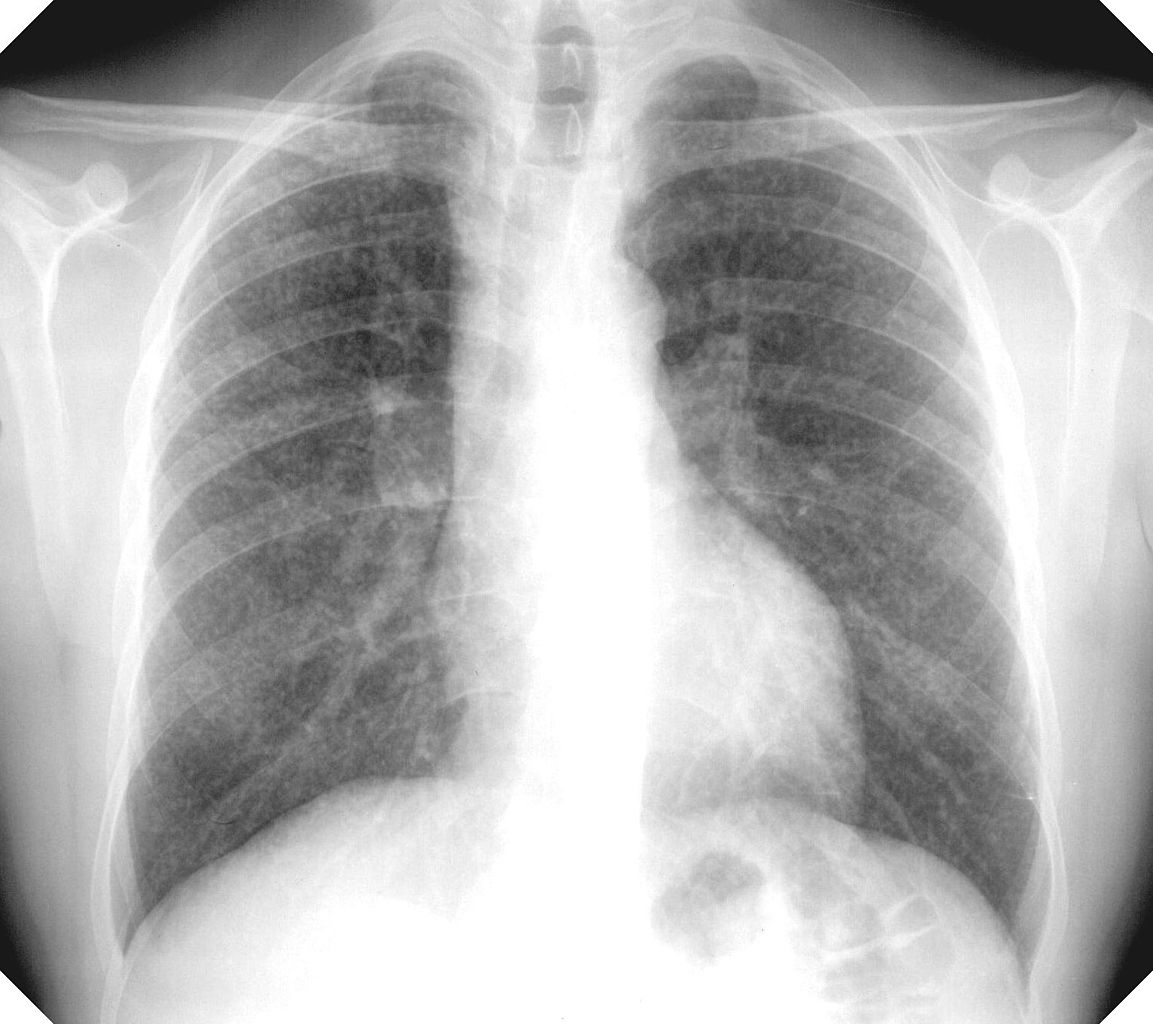
 An informationn pack for engaging and informing workers about the health risks of exposure to silica dust has been issued as part of IOSH’s No Time to Lose occupational cancer campaign. The pack includes factsheets, posters, leaflets, presentations and a quiz providing advice on how to avoid exposure to respirable crystalline silica (RCS) dust. The issue is one of five agents associated with work-related cancer that IOSH is raising awareness of through its No Time to Lose campaign. It can be found at notimetolose.org.uk
Category Archives: News
Scaffold Cable Video
 A video warning scaffolders and those working on scaffolds of the dangers posed by working too close to overhead power lines has been produced by UK Power Networks, which owns and operates power lines across the south and east of England. Work Safe – Think Electricity provides advice on how to identify overhead electricity lines; the importance of assessing the risks; and how to maintain a safe working distance. The video can be found under ‘safety films’ by clicking here.
How will the EU Referendum affect Health & Safety?
The EU referendum is just a few weeks away. On 23rd June 2016, the UK public will vote on whether to remain within the EU or to leave. Our Head of Health and Safety, Matt St John, takes a look at the possible implications the vote could have on Health and Safety legislation.
“Working in the health and safety profession it’s vital to ensure we are aware of future legislative implications on health and safety in the UK. This referendum has the potential to be a huge shake up of health and safety laws in England, whichever way the dice may fall.
Some Health and Safety professionals may be tipping more towards remaining in the EU in order to protect the workforce in the fear that new UK derived rules may have the potential to be trial and error with deaths/injuries being a resulting factor. No guarantees are given, obviously!
There is a huge amount though who have yet to decide, meaning the vote can swing either way. Re-negotiations are promised to bring discussions of relaxing the burden of health and safety compliance on businesses if we decide to remain in the EU.
Potentially there could be massive benefits for employers if it swings to leave, the promoters of Brexit say this would mean less bureaucracy and restrictions on employers. There are a vast amount of health and safety laws which are either directly or indirectly imposed by the European Union, as some UK statutory legislation was created for the purpose of complying with an EU Directive.
Of course, nothing would happen overnight. Even if we vote out, there would be an evaluating period in which existing EU legislation would remain, during this it would be down to our Government to decide which bits to keep, which to amend and which to scrap entirely (if they so wished). Over the next few years to come, the general way in which health and safety is managed could look very different. Brexit says ‘common sense’ will prevail in re-shaping changes, then again, nothing is guaranteed and this we are sure of!
The key point in all of this for those that operate in the health and safety arena, is that whatever the legal framework becomes, it does not become a ‘political point scoring tool’, with focus lost on its intended purpose: to take care of the health, safety and welfare of all persons in the workplace, prevent deaths, injuries and ill health whilst at work”.
Changes to PPE Regulations
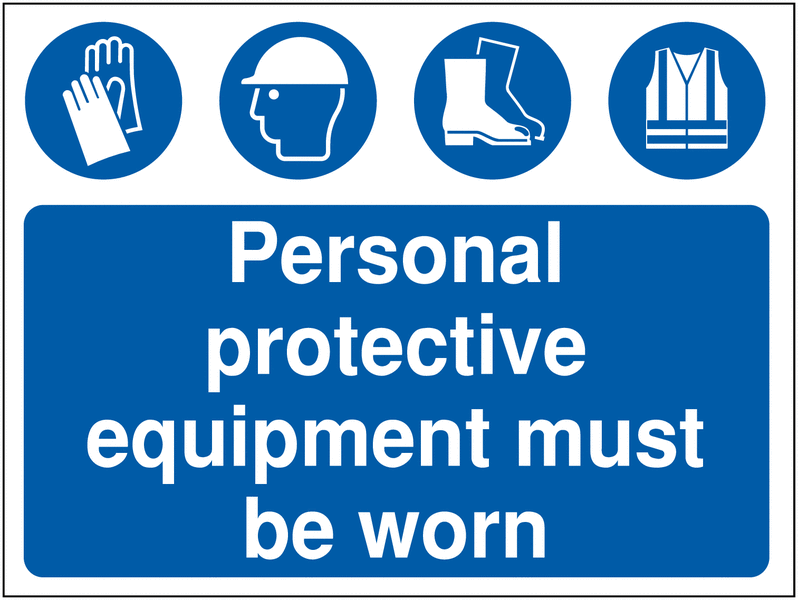 Now over 20 years old, the PPE directive is being updated to reflect current technologies and processes for developing and bringing PPE to the market. The changes mean the old directive will be re-implemented as a regulation in 2018 rather than remain in its current status, and the new regulation will not have to transpose into each Member State’s national law.
The British Standards Institute has a whitepaper detailing the history, the proposed scope of the regulation, obligations and timelines which can be viewed by clicking here.
Revised BS7121-1 Code of Practice
The revised guide concentrates on the safe use of cranes and includes advice on subjects such as safe systems of work, operation, planning and managing lifting operations. BS7121-1 is one part of a suite of standards on the safe use of cranes and which is issued by the British Standards Institute as an indication of good practice. A full copy of the practice can be purchased here.
Looking after yourself and others during hot weather
 Following the warm weather over the weekend, C&C Consulting would like to take this opportunity to remind outdoor workers of the risks associated with these increasing temperatures.
A sunny day makes most of us feel great, but too much sunlight can be hard on the skin. The problem is caused by the ultraviolet (UV) rays in sunlight. People whose job keeps them outdoors for a long time, such as farm or building site workers, market gardeners, outdoor activity workers and some public service workers could get more sun on their skin than is healthy for them. Such people can be at greater risk of skin cancer.
Slip and Trips – Causes and Prevention
The condition of the floor surface we use within the workplace can often be overlooked when considering our safety. A number of models are in place, including the Slip Potential Model and Trip Potential Triangle, to support you with understanding the factors that can contribute to a slip or trip accident. They also detail the actions to take to prevent them. The HSE have an interactive model that can be followed when assessing the slip and trip potential in your workplace. Additionally, a useful checklist can also be downloaded by clicking here.
Basic H&S mistakes crippling industry?
With HSE Fees for Intervention well established within the industry, enforcing inspectors are still finding basic health and safety mistakes, which are putting lives at risk each year. Every year, in excess of 100 people are fatally injured at work and more than 100,000 serious injuries are reported to the Health and Safety Executive (HSE).
The HSE have published an information leaflet outlining the common mistakes witnessed during their inspections. Download it by clicking here.
ISO 45001 Draft International Standard made available
The long-awaited Draft International Standard (DIS) of ISO 45001 is now available. The standard, which is due to be completed and published in October, will replace BS OHSAS 18001 and have a greater emphasis on leadership, worker involvement, context and documented information.
It will be the first internationally-agreed health and safety management systems standard to apply to organisations across the world.
Standards like ISO 45001 are developed to help organisations manage their processes and risks in a systematic and consistent way.
The LinkedIn EHS ISO 45001 group, managed by Chris J Ward, Committee Member at British Standards Institution is using these webpages to develop a toolkit of resources to help aspiring corporations to prepare for the introduction of ISO 45001. If you are a LinkedIn user, we’d recommend you joining the group to keep up to date with the latest information.
Duty of care during the winter
Health and safety professionals are aware that slips, trips and falls count for over half of workplace injuries and, in the treacherous conditions of a harsh winter, the risk can increase.
If a fall on ice or snow occurs, can your organisation rest assured that it has done everything possible to meet its duty of care? Continue reading…